
| For a Better Tunghai |
|
| For a Better Tunghai |
by Charles Cheng, CFA & MBA
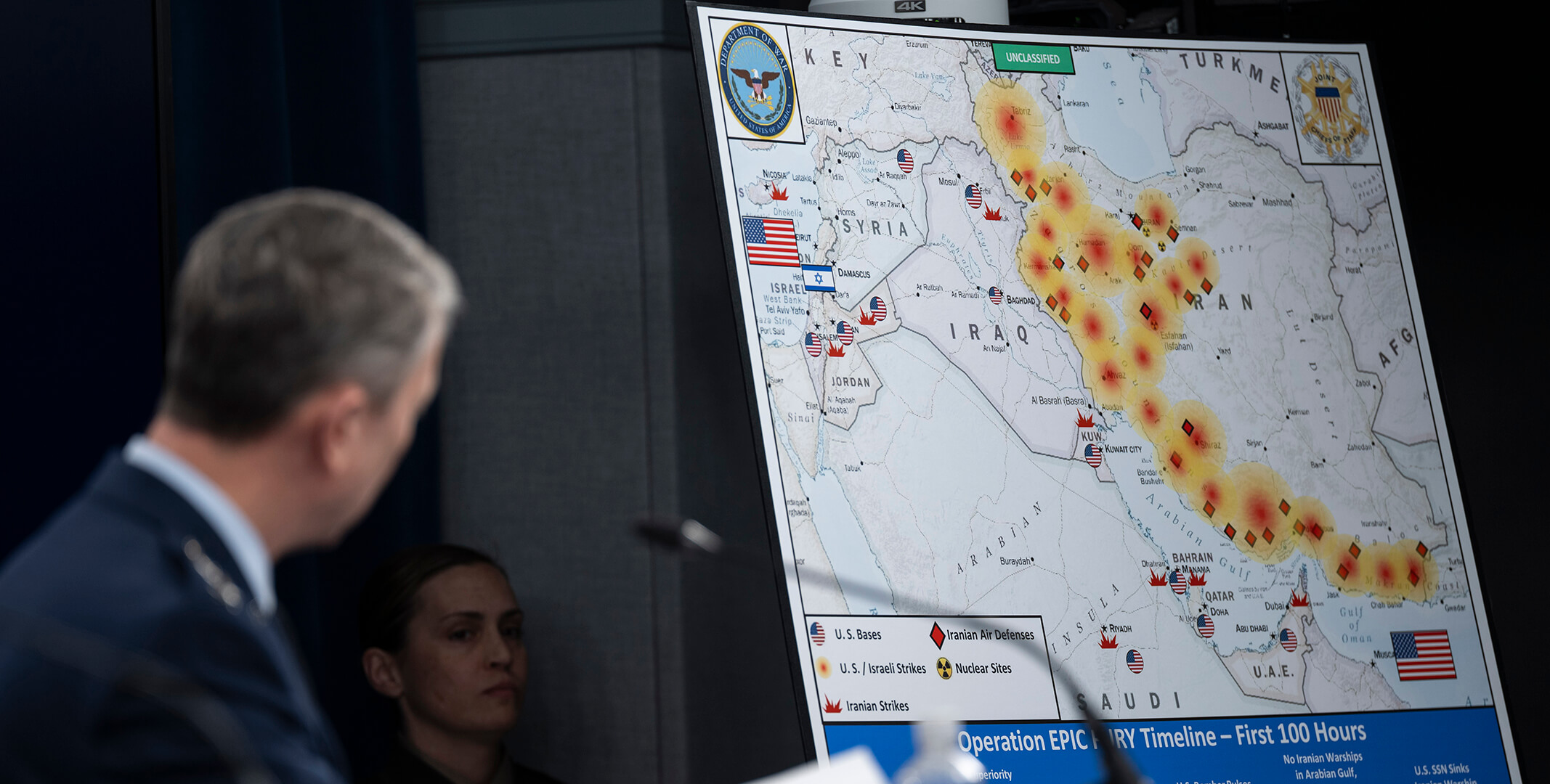
As everyone knows, in late February the US Trump administration initiated Operation Epic Fury, with strikes on Iranian infrastructure and led to the de facto closure of the Strait of Hormuz. With such unpredictable and drastic global events, investors have the challenge of deciding whether to adjust their investment strategy and by how much. The primary issue is distinguishing between a temporary market shock and a more persistent structural change in the global economy.
眾所周知,美國川普政府於二月下旬發動了「史詩憤怒行動」(Operation Epic Fury),對伊朗基礎設施進行打擊,並導致荷姆茲海峽事實上的關閉。 面對如此難以預測且劇烈的全球事件,投資者面臨著是否該調整投資策略以及調整幅度的挑戰。 核心問題在於如何區分短暫的市場衝擊與全球經濟中更持久的結構性轉變。
This conflict has already pushed Brent crude prices into a volatile range near $100 per barrel, reviving the specter of stagflation—a combination of stagnant economic growth and rising prices. Historically, the market’s reaction to sudden conflict follows a pattern of initial panic followed by a search for stability. We saw this during the brief conflict in 2025, where a sharp 8% dip in stocks was fully recovered within three months once it became clear that energy supplies would remain largely unaffected. However, the 2026 crisis carries more weight because the physical blockage of a critical energy artery represents a direct hit to the global supply chain. This could make the current situation more akin to the grinding “cyclical” bear market of 2022, where inflation was not just a headline but a persistent force that compelled the Federal Reserve to keep interest rates higher for much longer than investors anticipated. In 2022, both asset classes fell simultaneously as the Fed hiked rates aggressively to combat 9% inflation.
這場衝突已將布蘭特原油價格推向每桶 100 美元左右的劇烈波動區間,再次喚醒了「滯脹」的幽靈——即經濟增長停滯與物價上漲的結合。 從歷史上看,市場對突發衝突的反應遵循「先初步恐慌,後尋求穩定」的模式。 我們在 2025 年的短期衝突中看到了這一點,當時股市重挫 8%,但一旦確認能源供應基本不受影響,股市在三個月內便完全收復失地。 然而,2026 年的這場危機影響更為深遠,因為關鍵能源命脈的實體封鎖對全球供應鏈構成了直接打擊。 這可能使當前局勢更類似於 2022 年那種磨人的「週期性」熊市,當時通貨膨脹不只是頭條新聞,而是一股持久的力量,迫使聯準會維持高利率的時間遠超投資者預期。 2022 年,由於聯準會為對抗 9% 的通膨而激進升息,各類資產類別同時下跌。
Today, with the U.S. economy already showing signs of slowing growth, the central bank cannot easily cut rates to stimulate the economy because doing so might further fuel the inflation ignited by high energy costs. This leaves the market in a state of “risk repricing,” where investors must decide if the 6% decline we have seen over the past three weeks is the bottom or merely the start of a longer descent or whether to even bother timing the market at all. While energy and defense sectors often see short-term gains during such conflicts, the broader market typically remains under pressure until a clear path toward de-escalation or the reopening of trade routes emerges. The International Energy Agency’s release of 400 million barrels from strategic reserves acts as a temporary buffer, but it is not a permanent solution.
如今,隨著美國經濟已顯露增長放緩的跡象,央行無法輕易降息以刺激經濟,因為這樣做可能會進一步加劇由高能源成本引發的通膨。 這使市場處於「風險重新定價」的狀態,投資者必須判斷過去三週見到的 6% 跌幅究竟已是觸底,還是漫長跌勢的開端,抑或是根本不該嘗試預測市場時機。 雖然能源和國防板塊在此類衝突中通常會獲得短期收益,但在局勢出現明確的降溫跡象或貿易航道重新開放之前,大盤通常會持續承壓。 國際能源署(IEA)從戰略儲備中釋放 4 億桶原油起到了一定的緩衝作用,但這並非長久之計。
Navigating these events requires a disciplined approach that prioritizes long-term stability over the impulse to react to the daily news cycle. Investors should maintain a diversified stance and avoid panic-selling, as the “trough” of these crises is often reached just when the sense of fear is at its peak. To the extent that one can profit from the evolution of future events, they would likely need to practice “second order thinking”. Given that both the known facts and predictable outcomes are discounted in the market already, one is unlikely to outperform by buying or selling with conventional analysis. What is likely to cause a big move in markets either up or down is some sort of unpredictable or unlikely outcome, which is beyond the grasp of most investors to time. Ultimately, the most grounded strategy is to recognize that while the “fog of war” creates immediate uncertainty, the long-term trajectory of the market has historically proven resilient to even the most significant geopolitical shocks.
應對這些事件需要一種紀律嚴明的方法,優先考慮長期穩定,而非受日常新聞週期驅使而衝動反應。 投資者應保持多元化佈局並避免恐慌性拋售,因為這些危機的「谷底」往往出現在恐懼感達到頂峰之際。 若想從未來事件的演變中獲利,可能需要運用「二階思考」。 鑑於已知事實和可預見的結果已在市場定價中得到體現,僅憑傳統分析進行買賣很難獲得超額收益。 真正可能引起市場大幅波動(無論漲跌)的是某種不可預測或極低機率的結果,而這對大多數投資者來說是無法掌握時機的。 歸根結底,最務實的策略是體認到:儘管「戰爭迷霧」會造成眼前的心理不確定性,但歷史證明,市場的長期軌跡在面對即使是最重大的地緣政治衝擊時,依然展現出了強大的韌性。
This article reflects the personal views of the author and not any firm’s and should not be viewed as an investment recommendation.
● 讀後留言使用指南
|
近期迴響