
| For a Better Tunghai |
|
| For a Better Tunghai |
by Charles Cheng, CFA & MBA
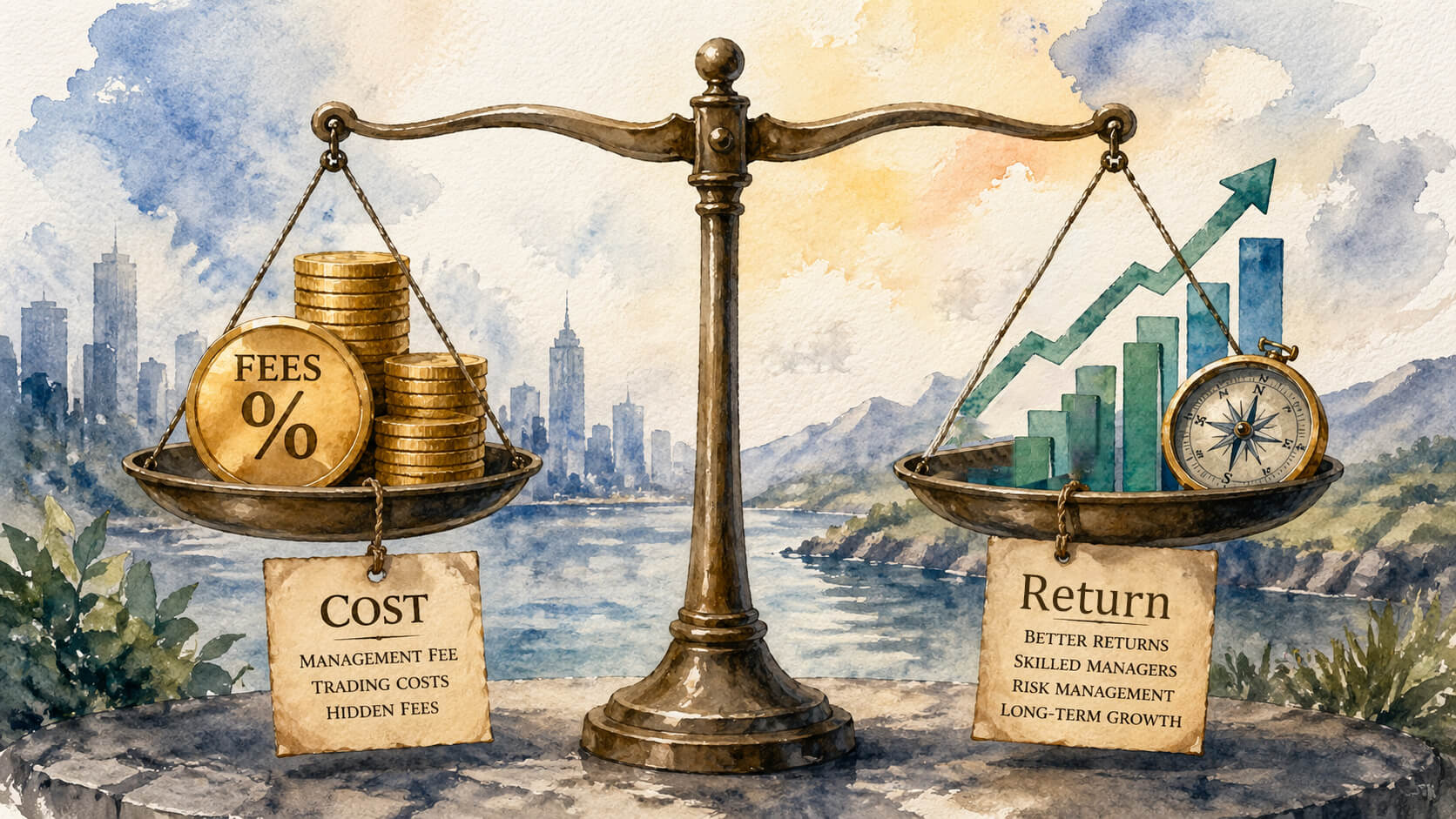
Whether you are a professional or individual investor, fees are an essential part of the business of investing and should be analyzed as part of the investment process. These fees could be management fees, performance fees, trading commissions, and even hidden fees like bid ask spreads. Part of that is minimizing costs, which is easily done through seeing if you can get comparable services for lower levels of fees. The main concern aside from minimizing costs is the potential incentive effects that arise from using different free structures.
無論您是專業投資者還是個人投資者,費用都是投資業務中不可或缺的一部分,應作為投資流程的一環進行分析。 這些費用可能包括管理費、績效費、交易佣金,甚至是像買賣價差這樣的隱藏費用。 其中一部分工作是將成本降至最低,這可以透過觀察是否能以更低的費用水準獲得同等的服務來輕鬆實現。 除了降低成本之外,主要的考量在於使用不同費用結構所產生的潛在激勵效應。
Consider an investment advisor or fund that can choose to charge either a 1% management fee or 10% performance fee. They make the same amount if they return 10%, and any amount over that 10% increases the fee manager makes. The performance fee aligns the interests of the manager and the client in that when the client makes more, they make more.
試想一家投資顧問公司或基金,可以選擇收取 1% 的管理費或 10% 的績效費。 如果他們獲得 10% 的回報,收到的金額是相同的,而超過 10% 的任何回報都會增加經理人賺取的費用。 績效費將經理人與客戶的利益聯繫在一起,因為當客戶賺得更多時,他們也賺得更多。
However, this alignment is not without its pitfalls. While a performance fee motivates the manager to seek higher returns, it can also incentivize excessive risk-taking. Because the manager typically does not share in the losses (they simply receive a fee of zero if the return is negative), they essentially hold a “call option” on the portfolio’s performance. In attempting to move a portfolio from a loss into a performance-fee-eligible gain or simply trying to maximize their own income, a manager might take speculative bets that do not suit the client’s actual risk tolerance. When choosing between these two structures, the investor must forecast their expected return. With this expected return also comes an expectation of risk taken. If the strategy is for a significant part of their asset portfolio, a performance fee may not be the most suitable.
然而,這種利益對齊並非沒有陷阱。 雖然績效費會激勵經理人追求更高回報,但它也可能誘發過度的冒險行為。 由於經理人通常不分擔損失(如果回報為負,他們收到的費用僅為零),他們實質上持有該投資組合表現的「看漲期權」。 為了將投資組合從虧損轉向符合績效費收費標準的盈利,或者僅僅是為了最大化自身收入,經理人可能會進行不符合客戶實際風險承受能力的投機博弈。 在選擇這兩種費用結構時,投資者必須預測其預期回報。 伴隨預期回報而來的還有對所承擔風險的預期。 如果該策略佔據其資產組合的重要部分,績效費可能並非最合適的選擇。
Within different types of performance fees, lower doesn’t always mean better. Some of the famous high returning hedge funds famously charged fees more than double the industry average, in order to compensate, retain, and incentivize top investment talent in their firm. The level and structure of fees need to make sense within the firm and strategy context.
在不同類型的績效費中,較低並不總是代表較好。 一些著名的高回報對沖基金以收取超過行業平均兩倍以上的費用而聞名,目的是為了補償、留住並激勵公司頂尖的投資人才。 費用的水準和結構需要在公司背景和策略環境下具有合理性。
Moving onto the transaction side, there are fees that are simply sales commissions, including broker commissions and mutual fund loads. In most cases, the lower the better, but sometimes even professional investors are willing to pay higher levels of fees for better services if they think their overall returns can be improved as a result.
轉向交易方面,有些費用純粹是銷售佣金,包括經紀商佣金和共同基金申購費。 在大多數情況下,這些費用越低越好,但有時即使是專業投資者,如果認為整體回報能因此獲得提升,也願意支付更高水平的費用以換取更好的服務。
Ultimately, analyzing fees is not merely an exercise in cost-cutting, but a strategic assessment of value and alignment. While minimizing drag on performance is vital, the cheapest option is rarely the most profitable if it results in subpar talent or misaligned incentives. Investors must look beyond the sticker price to understand how a fee structure influences a manager’s behavior, the quality of execution, and the underlying risk profile of the strategy. By balancing the pursuit of low transaction costs with an appreciation for well-structured incentives, an investor can ensure that every dollar paid in fees functions as a deliberate investment in the portfolio’s long-term success.
最終,分析費用不僅僅是一項削減成本的工作,而是一次對價值與利益對齊的戰略性評估。 雖然盡量減少對績效的拖累至關重要,但如果廉價的選擇導致人才平庸或激勵機制錯位,那麼它很少會是最有利可圖的。 投資者必須超越表面價格,去理解費用結構如何影響經理人的行為、執行質量以及策略潛在的風險特徵。 透過在追求低交易成本與重視良好激勵結構之間取得平衡,投資者可以確保所支付的每一分費用,都能成為對投資組合長期成功的刻意投資。
This article reflects the personal views of the author and not any firm’s and should not be viewed as an investment recommendation.
● 讀後留言使用指南
|
近期迴響