
| For a Better Tunghai |
|
| For a Better Tunghai |
by Charles Cheng, CFA & MBA
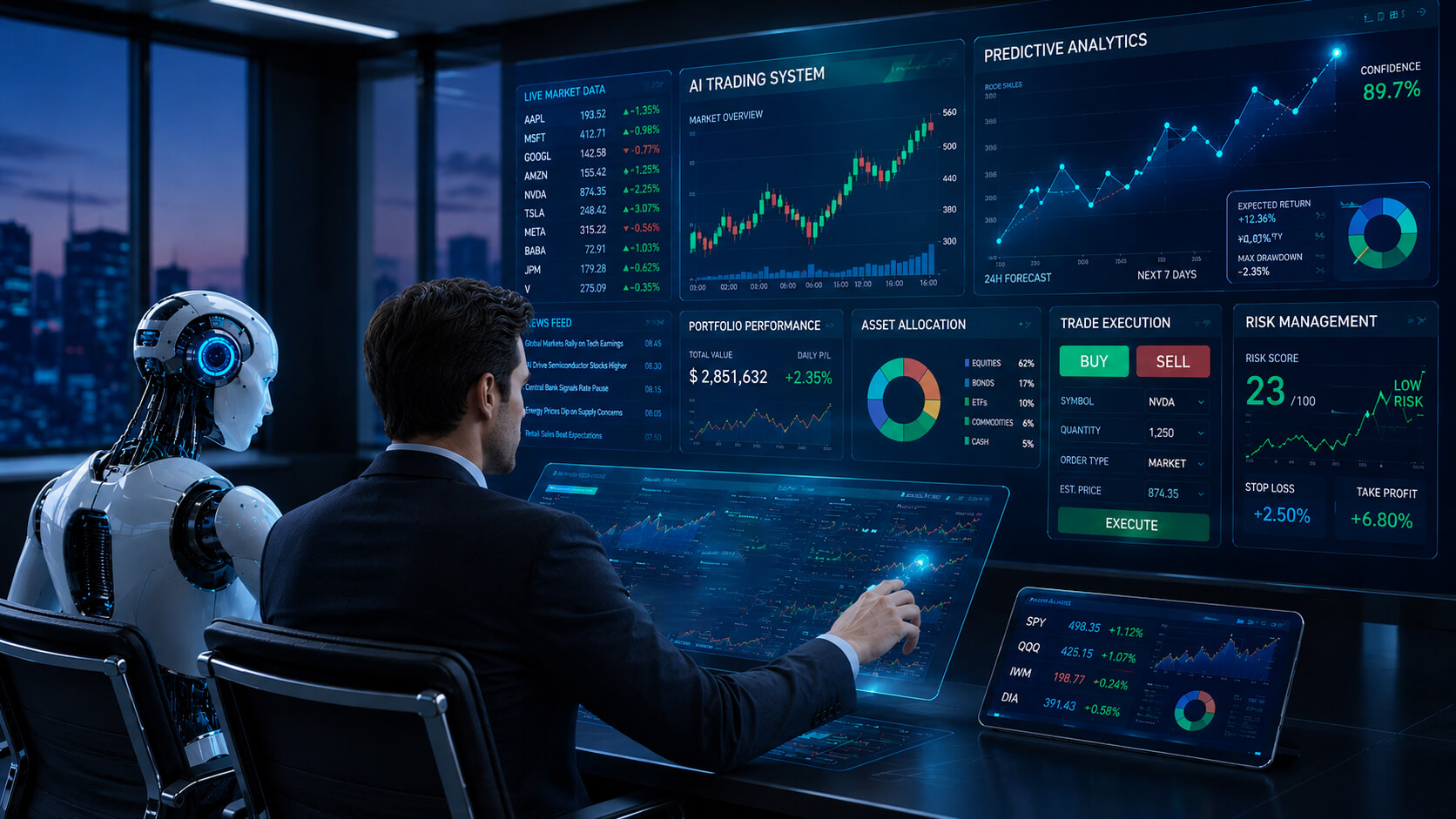
Generative AI is improving at a pace that makes most past waves of technology look slow. Like almost every other professional and practical activity, the practice of investing for sure will evolve to work alongside these increasingly advanced A.I. tools. Quantitative funds and institutional allocators have long used machine learning to hunt for statistical patterns in market data for decades, with genuine, well documented success. That is an older, different technology built for a different job, and typically reserved for firms with the data infrastructure to run it properly. What is new, and now genuinely available to someone managing their own portfolio, is generative AI, conversational, reasoning systems such as Claude or ChatGPT, whose real strength lies in language, synthesis and explanation rather than pattern recognition inside price data. The right posture for any investor, professional or not, is to stay open minded and continually keep track of the progress of gen AI capabilities as to not be left behind.
生成式人工智慧(Generative AI)的進步速度,讓過去大多數的技術浪潮都顯得緩慢。 正如幾乎所有其他專業與實務工作一樣,投資這項工作必然也會演變,學會與這些日益先進的人工智慧工具並肩運作。 量化基金與機構資產配置者長期以來運用機器學習(Machine Learning)在市場數據中尋找統計規律,這項做法已持續多年,並取得了真實且有充分記錄的成功。 那是一種較為古老、針對不同任務而設計的不同技術,而且通常只有具備相應數據基礎設施的機構,才能妥善運用它。 如今對於管理自己投資組合的個人而言,真正新穎且可及的,是生成式人工智慧,例如Claude或ChatGPT這類具備對話與推理能力的系統,它們真正的優勢在於語言處理、資訊整合與解釋說明,而非在價格數據中辨識型態。 無論是專業投資者或一般投資者,應有的態度都是保持開放的心態,並持續留意生成式人工智慧能力的進展,以免被時代拋在後面。
Given how new and fast moving all of this still is, the sensible way in is gradual rather than all at once. In the early stages, the most productive use is to enhance the investment process you already have, not to hand over any part of it. Treat the tool the way a portfolio manager might treat a sharp but inexperienced junior colleague, useful for legwork and as a second pair of eyes, though not yet someone whose conclusions you would act on without checking. A natural first step, if you already have a defined strategy of your own, is to use it to help draft an investment thesis, or to check a potential idea against your own stated objectives. Describe your criteria plainly, the kind of business, the valuation range, the time horizon and the risk tolerance you are working with, and ask whether a specific idea genuinely fits, or whether you are quietly stretching the rules to accommodate something you already like. Additional tasks are things like summarizing a dense annual report, building a first pass overview of an unfamiliar industry, or screening a list of ideas against a simple set of criteria. These tools can also search the web for current information, a genuine capability, though a price retrieved this way is not the same as a live trading feed, so treat any number you intend to act on as something to verify rather than something to trust outright.
鑒於這項技術發展仍十分新穎且變化迅速,較為穩妥的方式是循序漸進地導入,而非一次到位,這正是機構在將任何新工具納入其流程之前,所會採取的同一種紀律。 在初期階段,最有效益的用法是強化你既有的投資流程,而不是將流程的任何一部分直接交託出去。 可以把這項工具當作投資組合經理人眼中一位聰明但經驗尚淺的後輩來看待,適合用來處理基礎工作、提供第二雙眼睛審視,但其結論尚不足以讓你不經核實便直接採用。 如果你已經有一套明確的個人投資策略,一個自然的起點便是運用它協助草擬投資論點,或是用它來檢視某個潛在的投資想法是否符合你既定的目標。 清楚地描述你的標準,所涉及的業務性質、估值範圍、投資期限,以及你所能承受的風險程度,然後詢問某個特定想法是否真正符合條件,又或者你其實正悄悄放寬規則,只為了配合一個自己早已喜歡的標的。 其他可以運用的任務,包括總結一份冗長的年度報告、為一個陌生的行業建立初步概況,或是依照一套簡單的標準篩選投資想法。 這些工具也能搜尋網絡上的即時資訊,這是真實的能力,但透過這種方式取得的價格並不等同於即時交易報價,因此任何打算據以行動的數字,都應視為需要核實,而非可以直接信任的依據。
Once that habit is in place, a more valuable one follows, and it is one every good investment committee already practices, asking the tool to argue against you, not simply for you. Most of these systems will happily build a confident case for almost any thesis handed to them, so the real value comes from explicitly requesting the bear case, what would have to go wrong, what the market might already know that you do not, what a skeptical analyst would flag first. As trust in the process builds over time, generative AI can become a standing part of how you research and monitor a portfolio, with some routine steps automated, such as flagging news on existing holdings or drafting a first pass on a new filing the moment it is released. But it is worth deciding upfront, rather than drifting into it the way many investors drift into bad habits, what you will never fully delegate. Gathering information and drafting analysis can reasonably be automated. The final call on conviction and position size should stay with you.
一旦養成了這個習慣,接下來還有一個更有價值的習慣,而且是每個優秀的投資委員會早已實踐的習慣,要求工具站在你的對立面,而不僅僅是為你站台。 這類系統大多會樂於為交給它的幾乎任何論點,建立起一套言之鑿鑿的論述,因此真正的價值在於明確要求它提出反面論點,可能出錯的地方在哪裡、市場可能早已知道而你尚未察覺的事情是什麼、一位懷疑論者出身的分析師會首先點出哪些疑點。 隨著時間推移,對這套流程的信任逐漸建立後,生成式人工智慧便可以成為你研究與監控投資組合的常規一環,並將部分例行步驟自動化,例如即時提醒既有持股相關的新聞,或是在新文件公佈的當下立即草擬初步分析。 但有一點值得事先想清楚,而不是像許多投資者養成壞習慣那樣任由情況自然發展。 那就是你絕不會完全假手於人的部分究竟是什麼。 資訊蒐集與草擬分析可以合理地自動化。 但最終的信念判斷與持倉規模,仍應由你自己決定。
One quieter risk is worth keeping in mind as adoption spreads, and it is a risk institutional investors have long worried about in other contexts such as crowded trades and consensus positioning. If a large share of investors lean on similar tools asking similar questions, decisions across the market could end up more correlated than they appear, even while each individual feels they have done independent work. The capability itself is also still moving, toward more autonomous research agents, deeper live data integration and tools that watch an entire portfolio continuously rather than answering one question at a time. None of that changes the basic posture this piece opened with, staying curious about what these tools can do, and just as clear eyed about what they still cannot.
隨著採用範圍持續擴大,還有一項較不顯眼的風險值得留意,而這正是機構投資者長期以來在其他情境中所擔憂的問題,例如擁擠交易與共識性持倉。 如果大量投資者都依賴相似的工具、提出相似的問題,那麼整個市場的決策可能會比表面上看起來更為趨同,即使每位投資者都自認做了獨立的研究。 同時,這項技術本身仍在持續演進,朝著更自主的研究代理人、更深入的即時數據整合,以及能夠持續監看整個投資組合而非僅回答單一問題的工具方向發展。 然而,這一切都不會改變本文開頭所提出的基本態度,對這些工具能做到的事保持好奇,同時也對它們目前仍做不到的事保持同樣清醒的認知。
This article reflects the personal views of the author and not any firm’s and should not be viewed as an investment recommendation.
● 讀後留言使用指南

|
近期迴響